

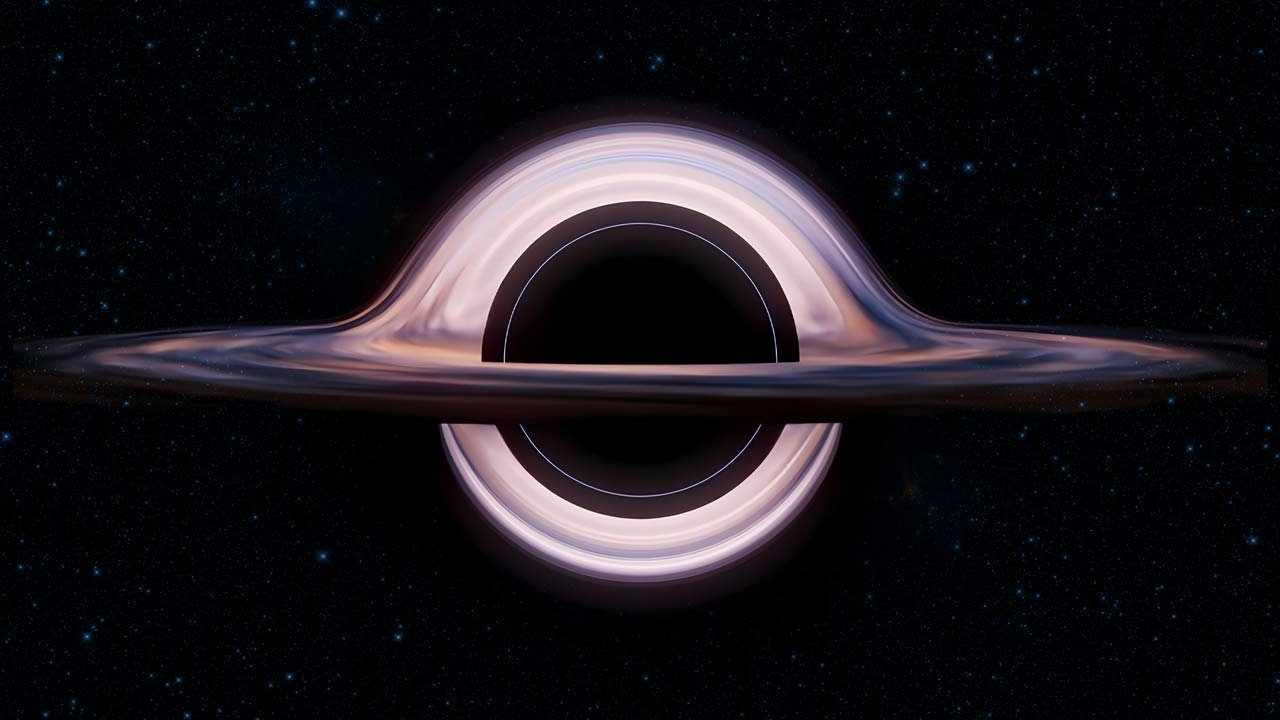
The first time I watched Interstellar in theatres in 2014, I walked out with my mind racing. Having seen Inception, I thought I was prepared for Nolan’s style, but this was different – the multiple timelines, the physics concepts, and the emotional family drama all intertwining. Still, I can recall leaving the cinema and thinking. Emotionally stirred and slightly confused, I knew I had to see it again to really understand everything.
And that’s exactly what I did. Each rewatch revealed new layers – both emotional and scientific. It wasn’t until my third or fourth viewing that I began to truly appreciate how Nolan had visualised Einstein’s theory of relativity through the devastating time difference on Miller’s planet. That scene where Cooper returns to find 23 years of messages from his children finally clicked for me – it wasn’t just heartbreaking drama, it was physics made visual and emotional.
I am not a physicist, far from it. Like many of you, I have had to put together my knowledge of ideas like time dilation from films, videos, and, yes, Interstellar by using articles. The way films might use visual methods and narrative to make these difficult concepts understandable interests me.
In this post, I will share my journey of understanding Interstellar’s physics, exploring how Nolan and his team (with guidance from physicist Kip Thorne) created one of cinema’s most effective visualisations of relativistic physics. We will learn together about what the film gets right scientifically and where it takes creative license for the sake of the story.
Ready to explore time dilation through the frames of Interstellar? Let’s dive in together!
The Science Behind the Story: Time Dilation Basics
Let me first introduce you to what I know about the real physics idea before delving into how Interstellar views time dilation. Simply said, time dilation is the variation in the elapsed time recorded by two observers resulting from either distance from a gravitational mass or velocity differential. According to Einstein’s theory of relativity, gravity can indeed bend space-time; the slower time passes relative to a place with lesser gravity the greater the gravitational field.
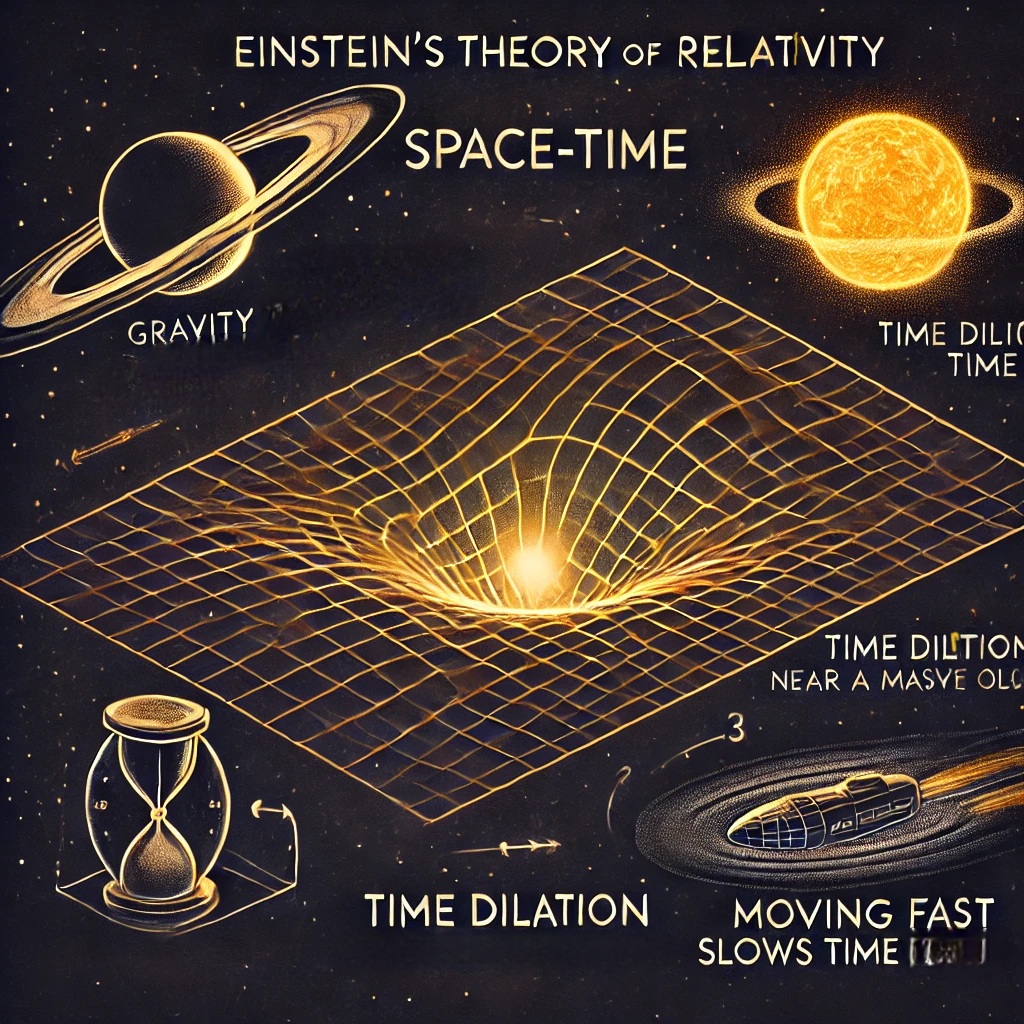
Miller’s planet in Interstellar circles quite near Gargantua, a large black hole with a strong gravitational attraction. The film tells us that one hour on Miller’s planet equals seven years on Earth. While the specific numbers might be Hollywood math (I’ve read that real physicists debate the exact figures), the core concept is absolutely based on actual physics. What amazed me most when researching this was learning that the effect isn’t just theoretical – GPS satellites actually have to account for time dilation! Their clocks run slightly faster than Earth-based clocks because they’re further from Earth’s gravity. Not at the dramatic scale shown in Interstellar, but the same principle applies.
Visualising the Invisible: Nolan’s Cinematic Techniques
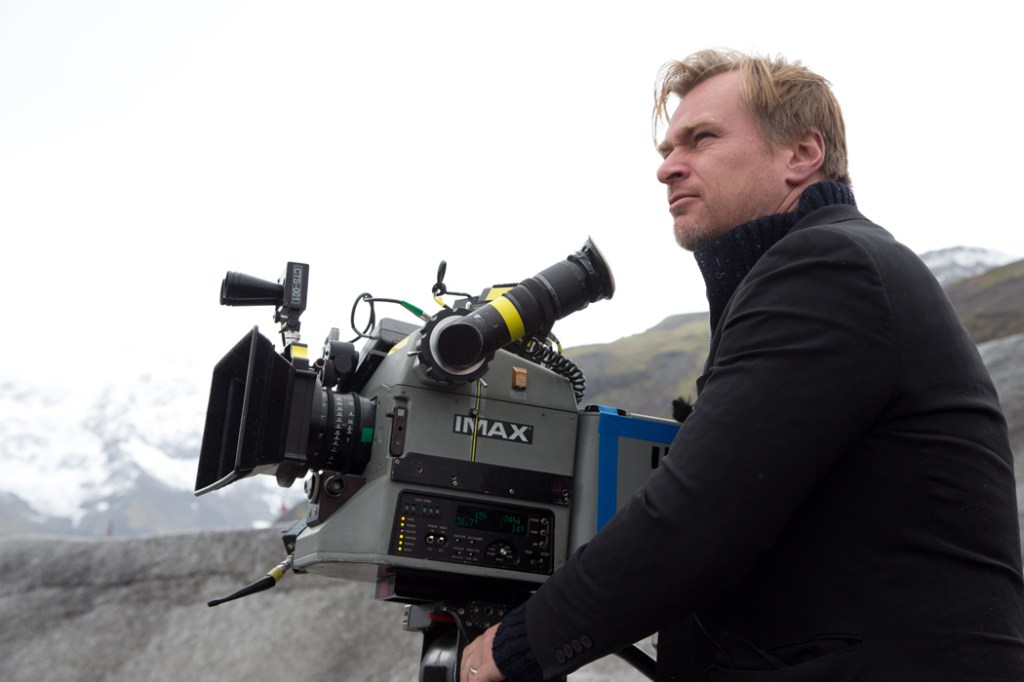
Not only is the science (largely) accurate, but also Nolan’s way of turning this abstract idea into a visceral film makes Interstellar so strong. Based on my few rewatches, these methods caught my attention:
- The Ticking Soundtrack
Hans Zimmer’s theme for the water planet segment has a constant ticking sound, each tick symbolising a day on Earth. This creates incredible tension as we hear time slipping away. On my first viewing, I found this mildly stressful; by my third viewing, when I understood the full implications, I found it almost unbearable. That’s effective filmmaking!
- Intercutting Timelines
Nolan’s decision to intercut scenes on Miller’s planet with scenes of Romilly waiting on the Endurance (where he is 23 years old) and scenes back on Earth visually demonstrates the different time rates. Seeing Murph grow from child to adult while her father experiences just a few hours creates an emotional gut punch that makes the physics real to us in a way no textbook could.
- Visual Representation of Gravity
The massive tidal waves on Miller’s planet aren’t just cool disaster movie effects – they’re visual representations of the gravitational forces at work. Those same forces stretching the ocean into kilometre-high waves are stretching time itself. I didn’t catch this parallel on my first viewing, but now I see how brilliantly it visualises the invisible forces at play.
When Science Meets Emotion: The Heart of Interstellar
Not only the scientific ideas but also Nolan’s use of time dilation as a plot device and emotional trigger really appeals to me about Interstellar. Cooper’s drive throughout the movie is to see his kids, but the sheer nature of his mission—including strong gravitational fields—means time runs against him. The most devastating scene for me comes when Cooper watches 23 years of accumulated video messages after returning from Miller’s planet. We witness his absolute breakdown as he realises what the time slip has cost him – watching his children grow up in minutes, missing pivotal moments he can never get back. The scientific idea of time dilation has become a great human loss right now.
Until my second viewing, when I better appreciated the mechanics underlying why this sequence was occurring, I do not believe I completely realised the emotional weight of it. The science increases rather than lessens the passion.
Where Science Meets Artistic License
While researching for this post, I discovered places where Nolan prioritised storytelling over strict scientific accuracy. For instance, Miller’s planet would likely be torn apart by tidal forces at that proximity to a black hole, and the extreme time dilation depicted would probably require the planet to orbit even closer than shown.
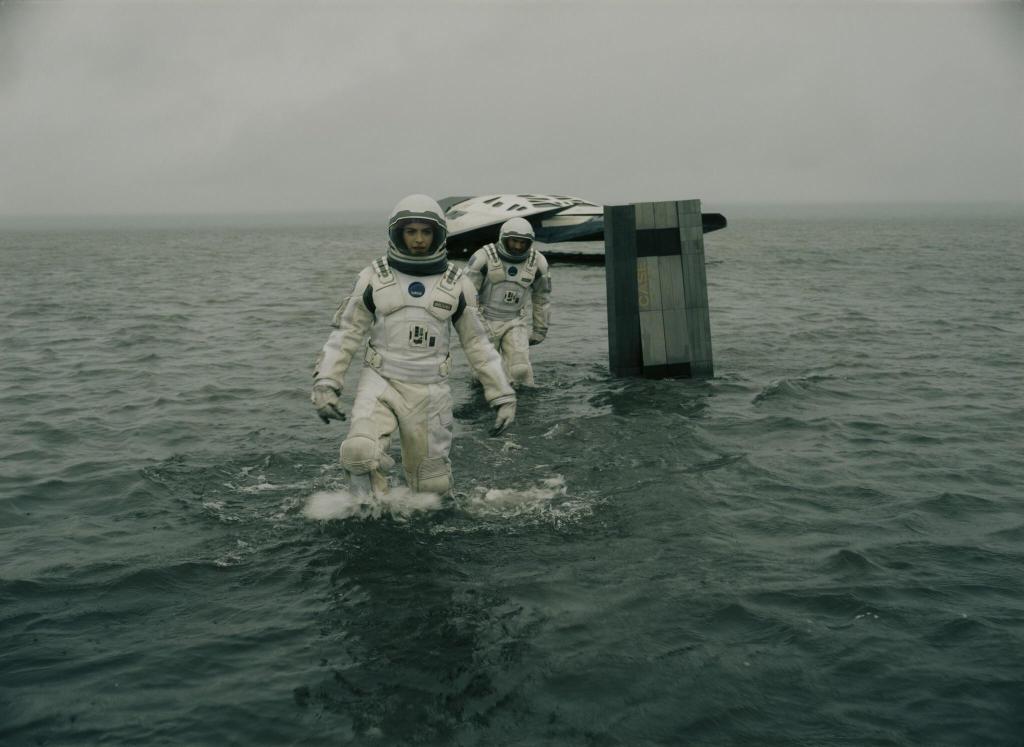
But here’s the thing – as a film studies student, I recognise these as necessary adaptations for visual storytelling. Nolan needed to show the planet’s surface, needed characters to survive there briefly, and needed a dramatic but comprehensible time difference. The scientific “stretches” serve the story while still introducing audiences to genuine physics concepts.
Why Interstellar’s Approach to Physics Matters
The achievements of Interstellar transcend mainly as an entertainment value. For many viewers like me, it was our first actual interaction with ideas including time dilation, wormholes, and black hole extreme physics. Nolan made modern physics understandable to general viewers by incorporating these ideas within personal tales of love, sacrifice, and survival.
Every time I’ve seen the movie, I have been investigating more about the real science afterwards — learning about Kip Thorne’s participation, reading papers about relativistic physics, and growing respect for how our planet functions. I guess I’m not travelling alone from movie appreciation to scientific inquiry.
Conclusion: Time Is the Ultimate Antagonist
Most science fiction uses alien, technological, or human villains. Time itself, or more precisely the relativistic character of time as Einstein describes, is the actual enemy in Interstellar. The genius of the movie is turning difficult physics into a very intimate emotional trip.
Interstellar, for me, is the ideal mix of movie narrative and scientific ideas. It shapes our universe and makes it not only observable but also emotionally resonant via an invisible power. Nolan transports us to feel the weight of time dilation in our hearts, not only understand it in our minds, using well-chosen images, sound design, and narrative structure.
How did you find viewing Interstellar? Did you grasp the physics ideas straight away, or did it take several views as it did for me?

 Physics in Frames
Leave a comment